Precision Braiding & Coiling
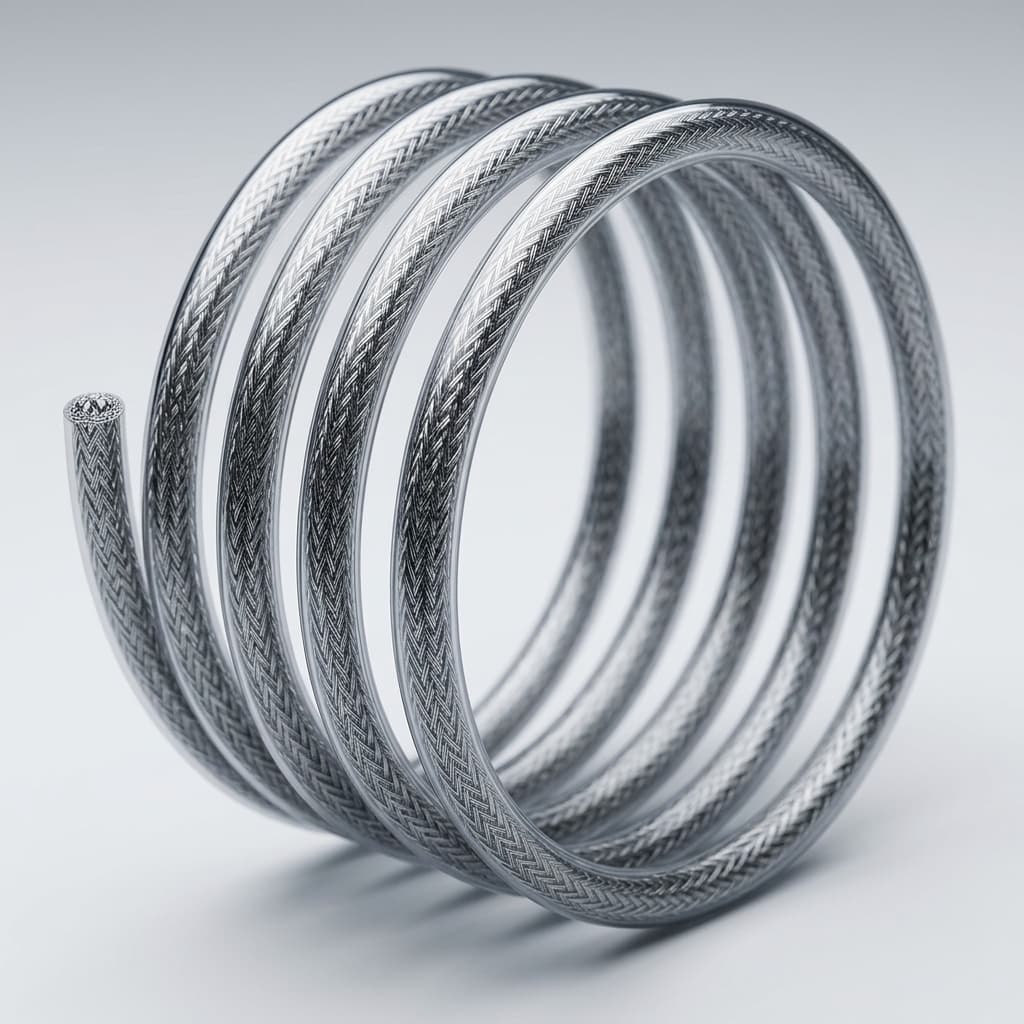
Flat and round wire manipulation in 304V SS or Nitinol. Custom PIC counts and variable coil pitches to tune column strength.
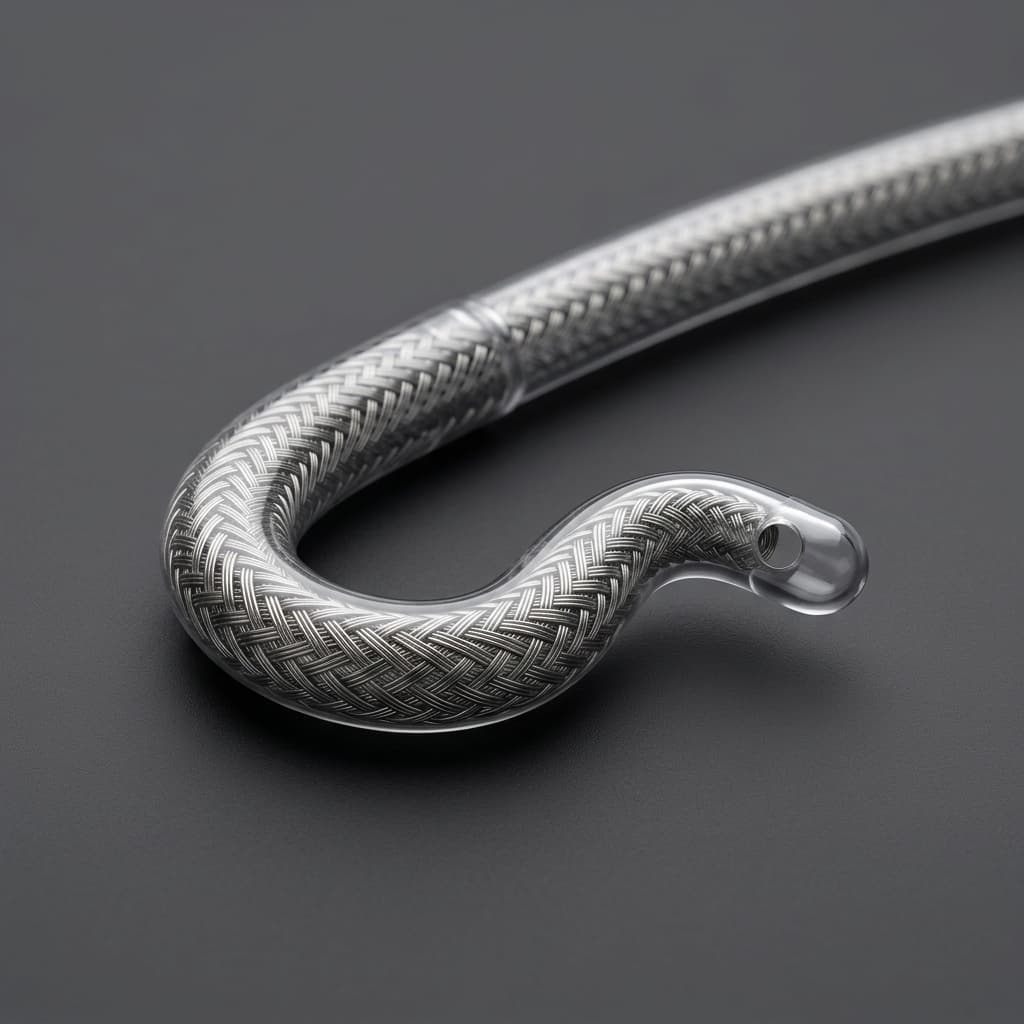
Precision catheter shafts engineered for pushability, torque, and kink resistance. We support tight OD/ID tolerances, PTFE liners, variable-durometer Pebax/Nylon jackets, and continuous transition zones.
ISO 13485 readiness · Buyer audit support · Strict IP protection
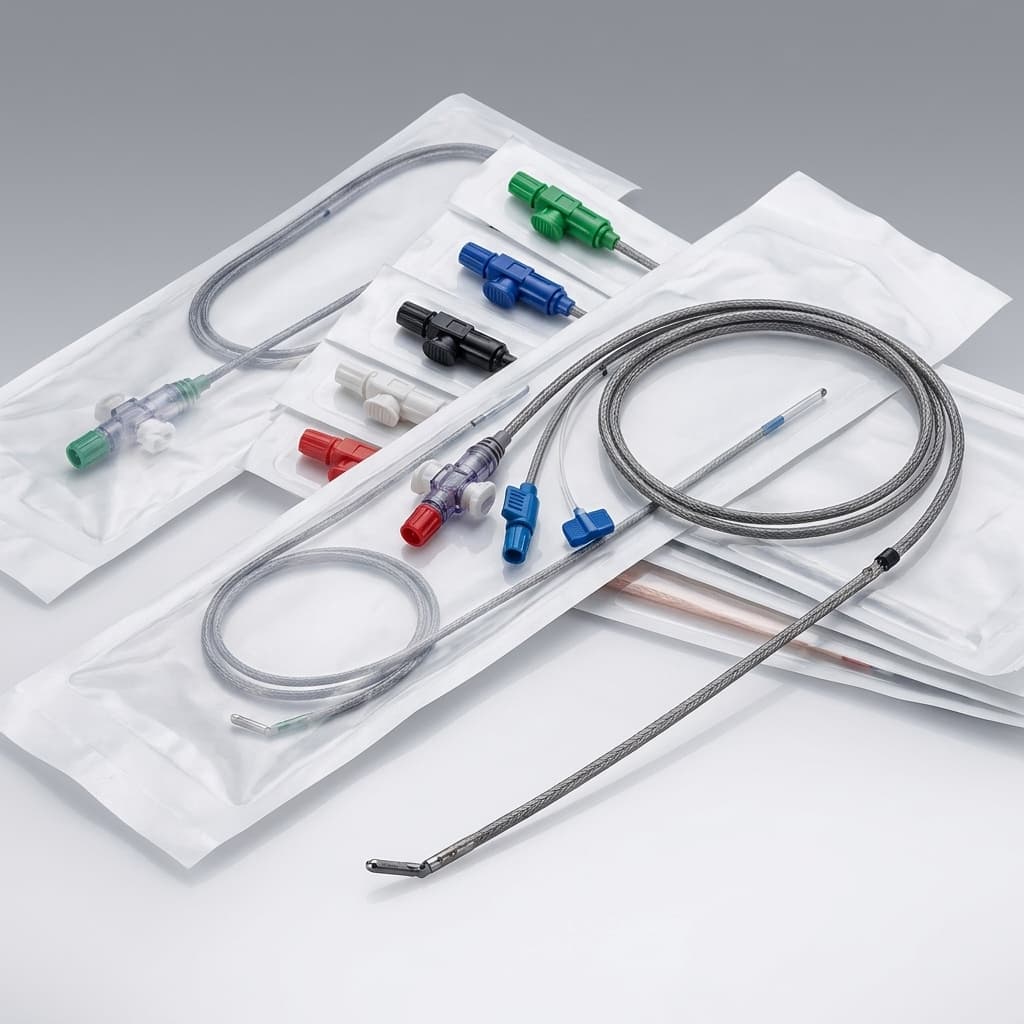
Reinforced catheter shaft manufacturing with export-ready project execution.
Braid, coil, PTFE liner, jacket, marker, and transition-zone support.
Sample checkpoints, documentation, and lead-time planning for OEM validation.
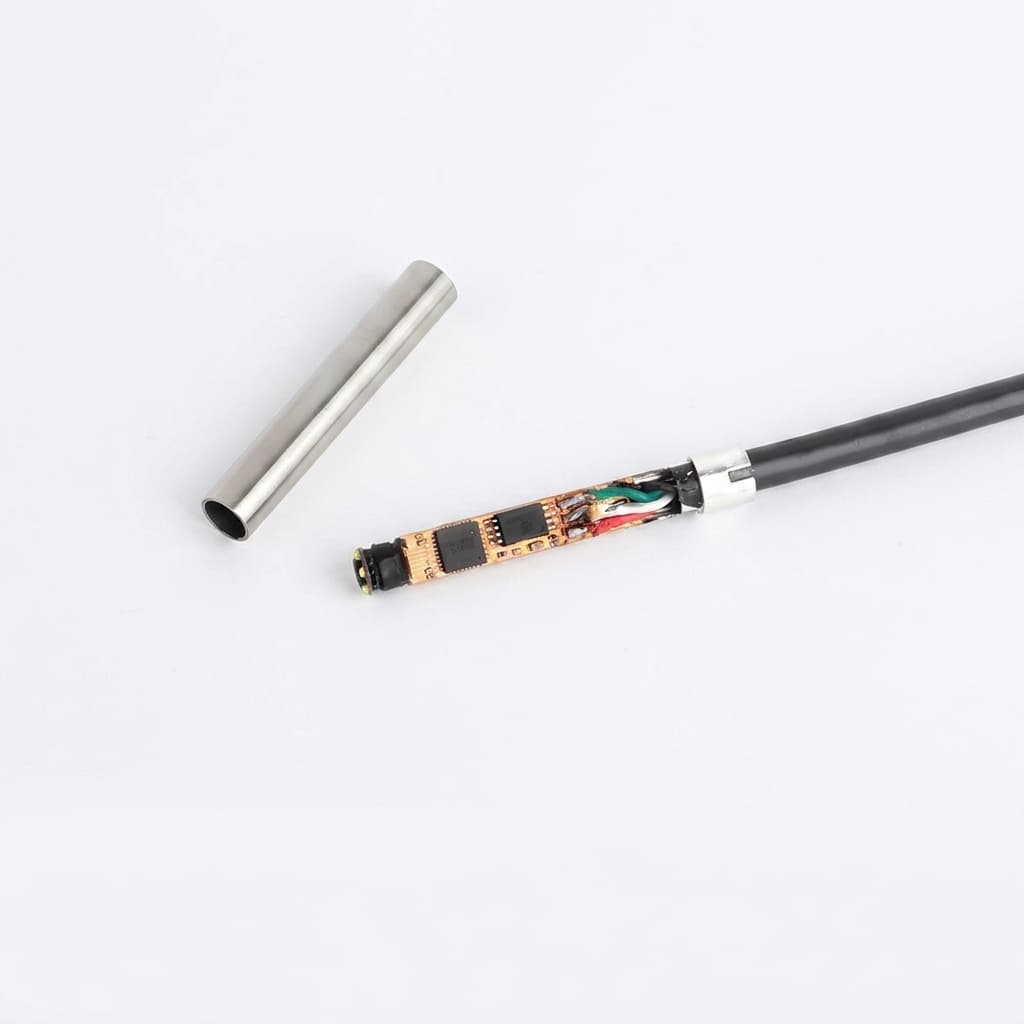
Core Manufacturing Capabilities
Technical execution for complex shaft architectures, balancing lumen integrity with distal flexibility.
Flat and round wire manipulation in 304V SS or Nitinol. Custom PIC counts and variable coil pitches to tune column strength.
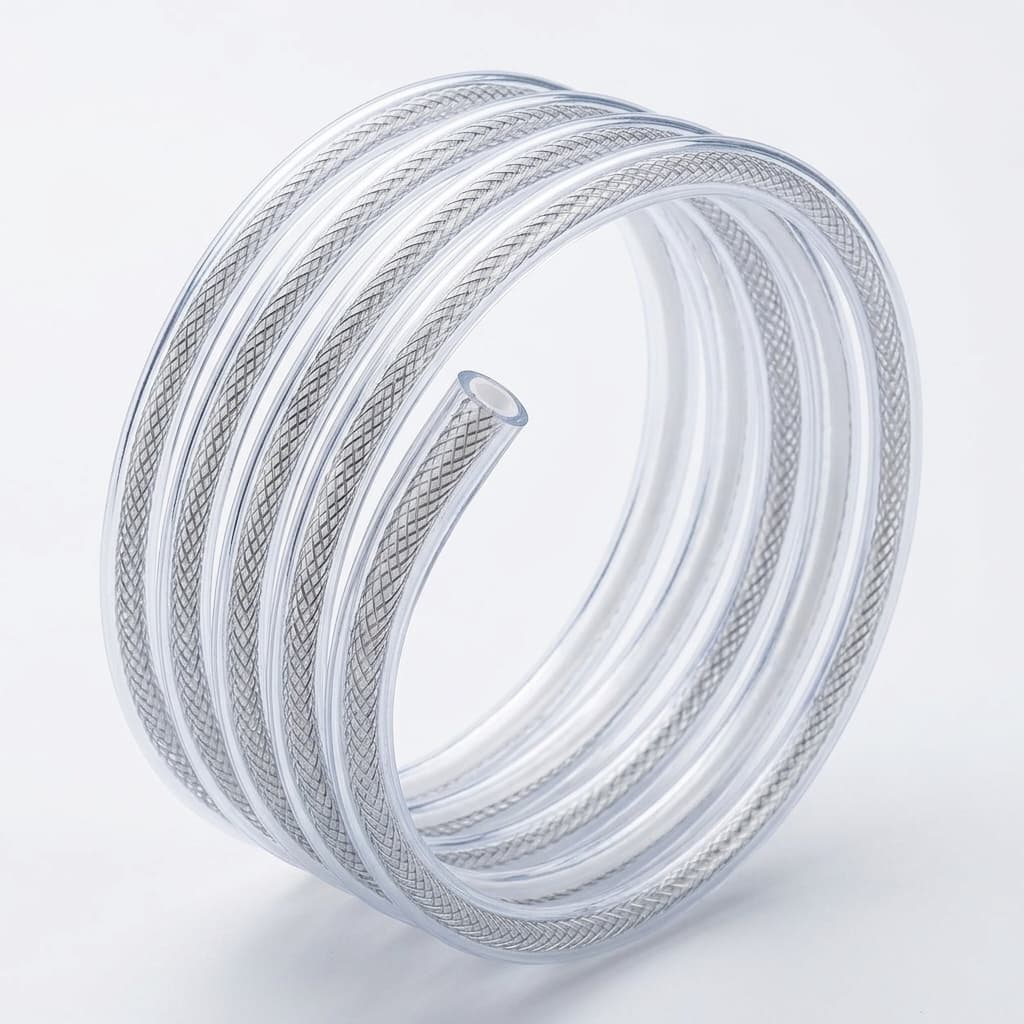
Low-friction lumen support utilizing etched PTFE. Mandrel-based processing ensures concentricity and strict ID tolerances.
Seamless lamination of Pebax (25D to 72D) to create smooth transitions from a stiff proximal shaft to a soft distal tip.
Swaging and encapsulation of Pt/Ir or Gold marker bands for precise fluoroscopic visibility at the distal segment.
Capability Snapshot
Quick view of the catheter component engineering and production scope.
Quality System Capability
Cleanroom Environment
Prototyping to Production
Our production capabilities are coordinated through advanced manufacturing resources in Shenzhen and Dongguan, China, with precision tooling, controlled process areas, and quality inspection workflows for medical device OEM component programs.
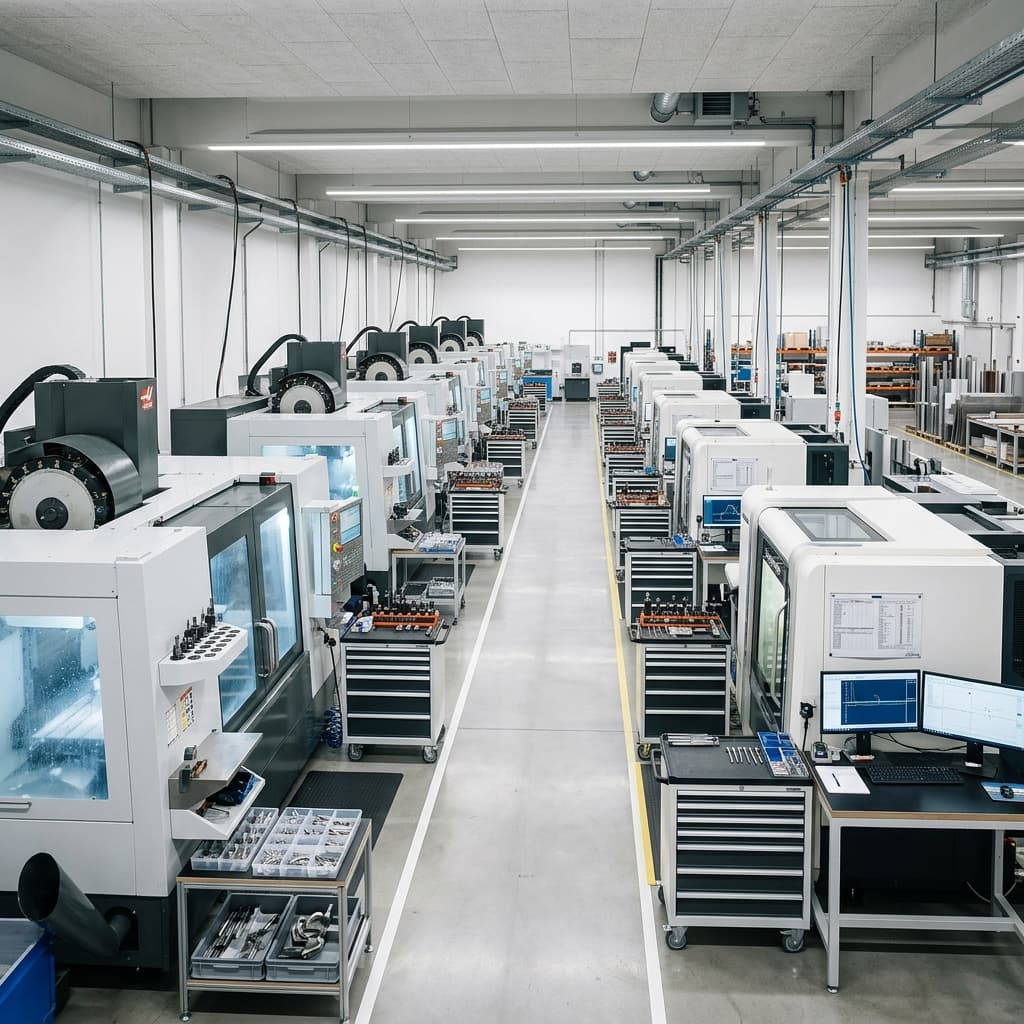
High-accuracy machining centers dedicated to specialized tooling, mandrels, and custom catheter components.

Process-controlled areas for critical extrusion, precision braiding, coil winding, and reflow lamination steps according to the buyer's quality plan.

Strict dimensional and performance testing under microscopes and advanced measurement systems to ensure CTQ compliance.
Step 1
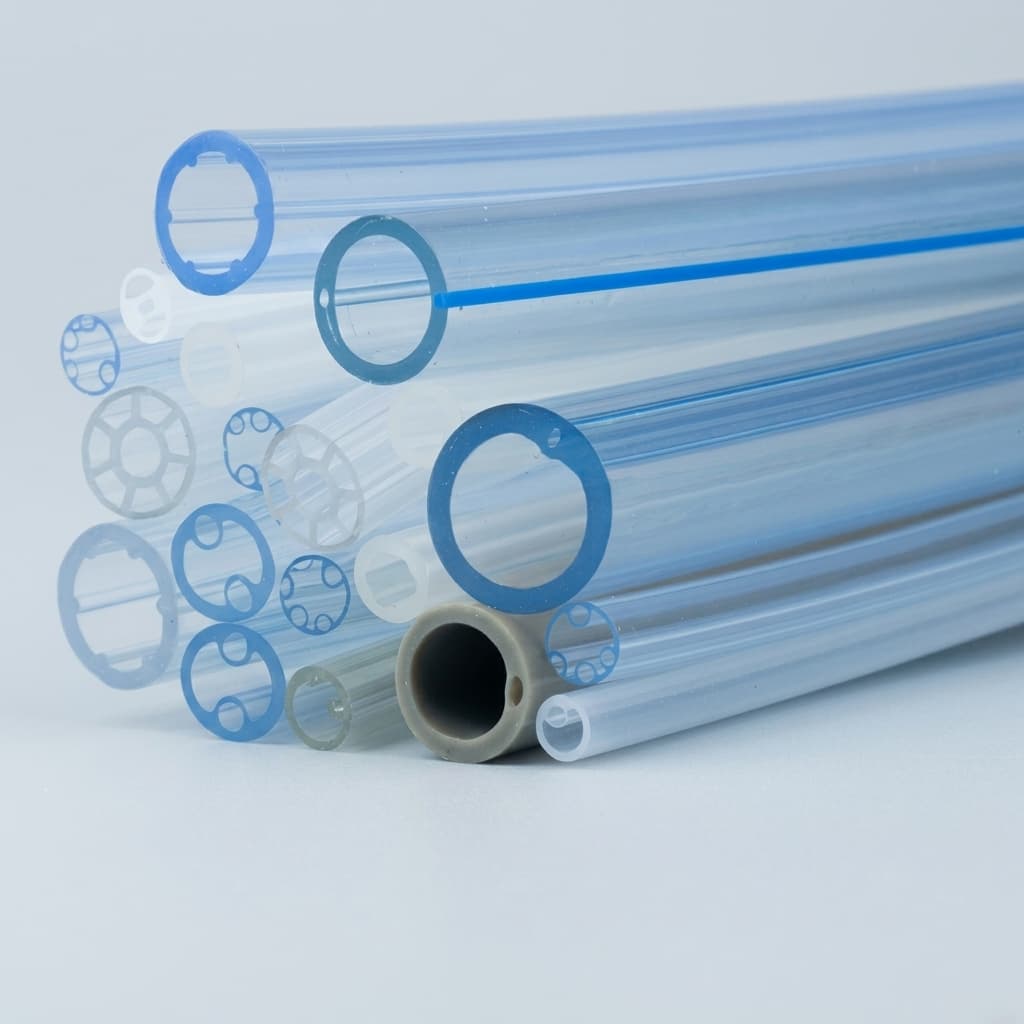
Start from shaft architecture, OD/ID envelope, reinforcement method, and layer stack assumptions before entering RFQ.
Step 2
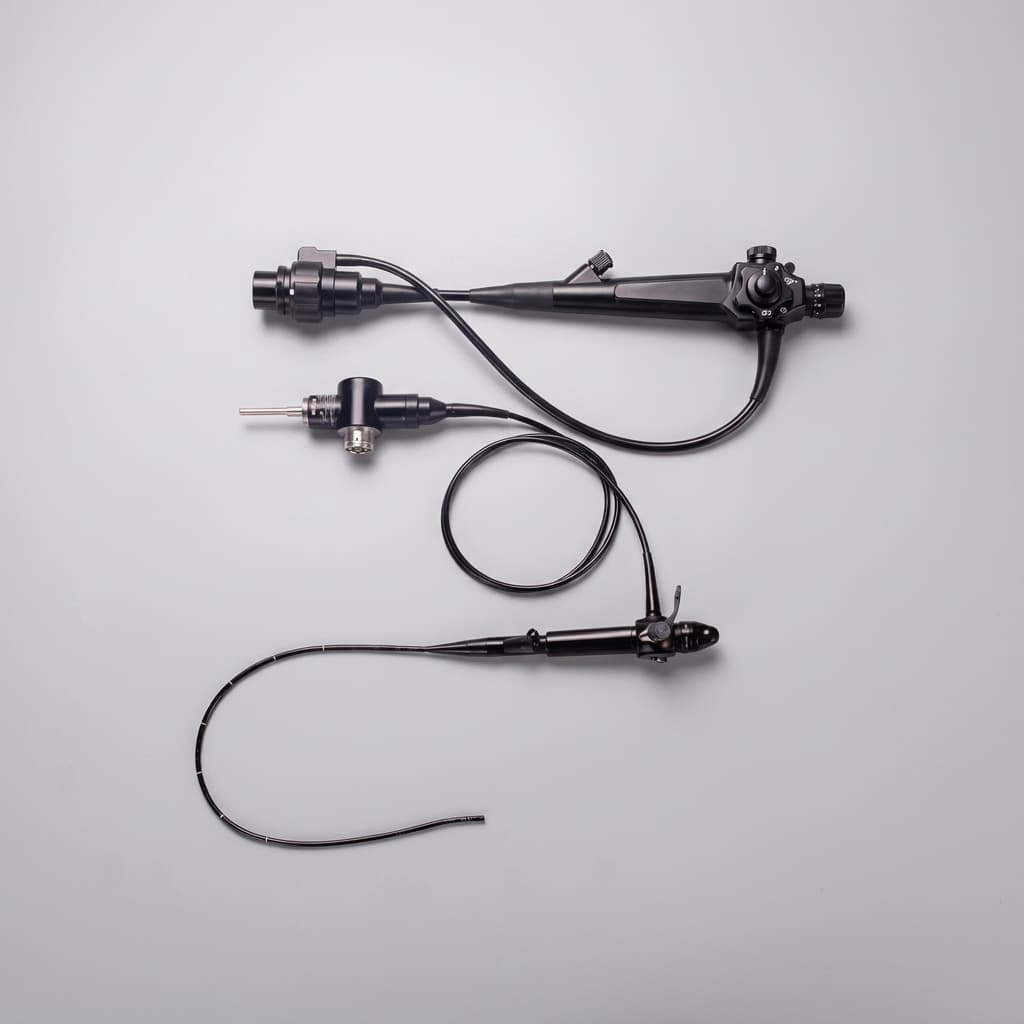
Confirm the shaft concept against access path, flexibility zones, lumen behavior, and validation constraints before sample planning.
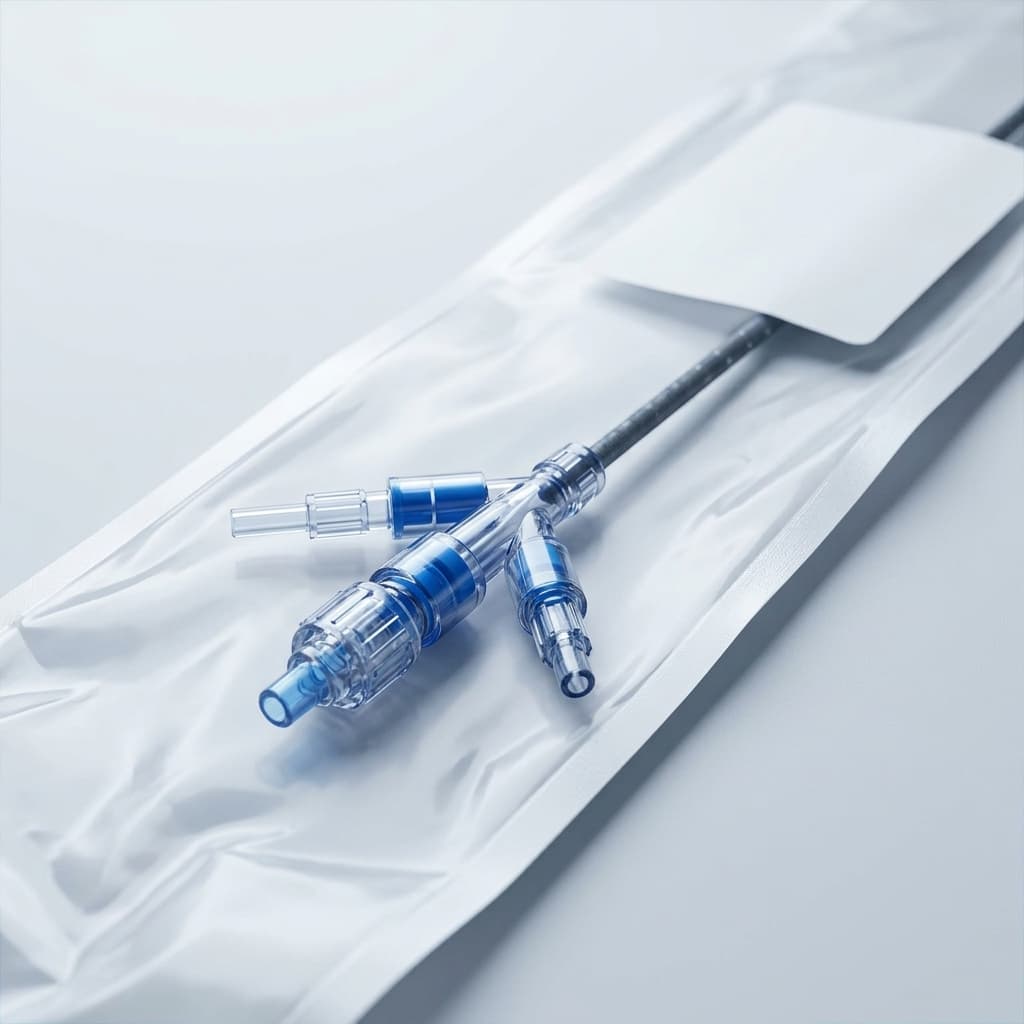
Step 3
Review quality documentation, dimensional inspection reports, and process validation planning parameters for pilot lot scale-up.
This quick matrix helps catheter R&D, sourcing, and quality teams compare major reinforced shaft options before opening a detailed RFQ thread.
| Family | Best Fit | Key Metric | Why It Matters |
|---|---|---|---|
| Braided Catheter Shaft | Best for catheter R&D, process engineering, and sourcing teams that need a custom reinforced shaft instead of commodity tubing. | Typical shaft OD: 0.6 mm to 5.0 mm project-dependent | OD drives braid equipment setup, liner choice, reflow tooling, and downstream device compatibility. |
| Coil Reinforced Catheter | Best for device teams prioritizing smooth flexibility, lumen stability, and controlled distal support. | Coil pitch: Application-specific tight or open pitch | Pitch determines support, flexibility, kink behavior, and jacket flow into the reinforcement layer. |
| PTFE Lined Catheter Shaft | Best for teams that already know lumen friction, jacket bond, and shaft stiffness targets are critical to device performance. | Liner ID control: Defined by guidewire/device clearance | Small ID drift can cause friction, delivery failure, or unacceptable clinical device feel. |
| Marker Band Catheter Assembly | Best for OEM teams that need shaft reinforcement and marker placement treated as one controlled assembly problem. | Position tolerance: Project-specific datum-based tolerance | Accurate marker location supports imaging confidence and device positioning in use. |
| Steerable Catheter Shaft Components | Best for advanced device teams that need reinforced catheter know-how before committing to expensive internal equipment or European CDMO capacity. | Deflection zone: Defined by catheter design and bend radius | Steerable devices need flexible distal behavior without losing proximal torque control. |
Practical buyer-side checklists, decision frameworks, and technical insights from our OEM engineering team.
The June 2026 FDA Early Alert regarding Abiomed and Oscor 14Fr/23Fr introducer sheaths reveals critical hub bonding and splittable score line vulnerabilities in large-bore catheter manufacturing.

Hydrophilic coating delamination guide for catheter OEMs: compare bonding methods, FDA risk signals, supplier questions, and RFQ controls before sourcing.

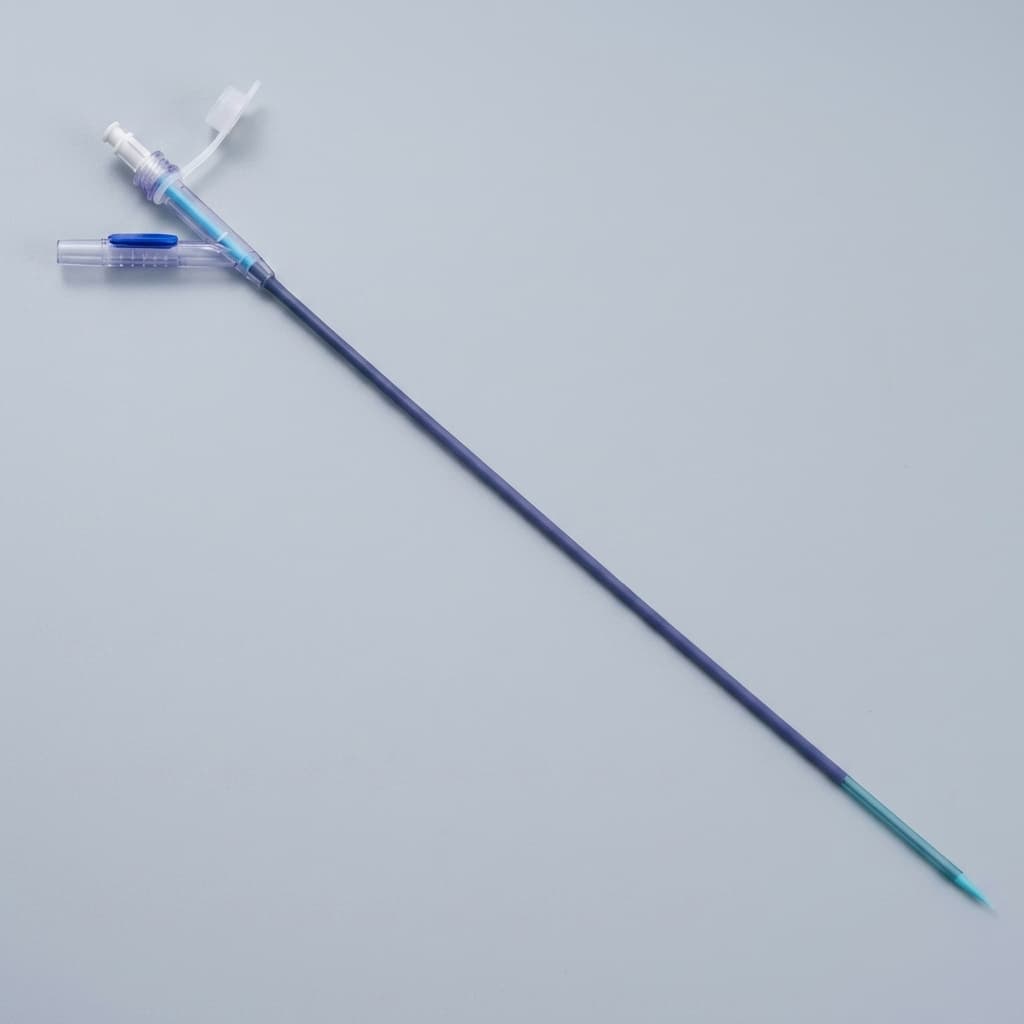
Use this 2026 EtO sterilization EPA rules guide to compare catheter polymer risks, radiation trade-offs, sourcing checks, and OEM review steps.
FAQ
Get expert engineering feedback within 24 hours. We offer rapid prototyping, flexible MOQ for R&D, and strict NDA protection for your medical device IP.
Inquiry Email
Include OD/ID, shaft stack, prototype quantity, and delivery location.
Fast engineering turnaround. Test variable pitches, PIC counts, and durometer stacks without waiting months.
From low-volume R&D design verification batches to full-scale, cost-effective pilot lot manufacturing.
Your catheter shaft architecture remains highly confidential under strict NDA-backed manufacturing controls.
Traceability, dimensional inspection, and process validation records can be aligned to buyer audit requirements.
| Decision Stage | Best Page | What You Gain |
|---|---|---|
| Architecture fit | Products | Compare braided, coil reinforced, PTFE lined, marker band, and steerable shaft component options. |
| Reinforcement screen | Braid and Coil Shaft CDMO | Use the hybrid tool and report to choose braid, coil, or zone-specific reinforcement before RFQ handoff. |
| Application risk | Solutions / Applications | Review application-specific shaft risks and measurable validation checkpoints. |
| Reference research | Engineering Blog | Review buyer-side checklists, sourcing methods, and catheter component notes before freezing specs. |
| Commercial baseline | About | Understand team profile, catheter component focus, and cooperation model before shortlisting a supplier. |
| Balloon Catheter Focus | Balloon CDMOs | Evaluate manufacturing capabilities for balloon catheters, including folding and coating. |
| Supplier execution | OEM Capabilities | Understand braiding, reflow, prototype control, quality records, and export delivery governance. |
| Execution start | Contact / RFQ | Use the inquiry checklist to reduce quote loops and get a faster actionable response. |
For deeper decision support, review our engineering blog where each post includes practical buyer-side checklists.